


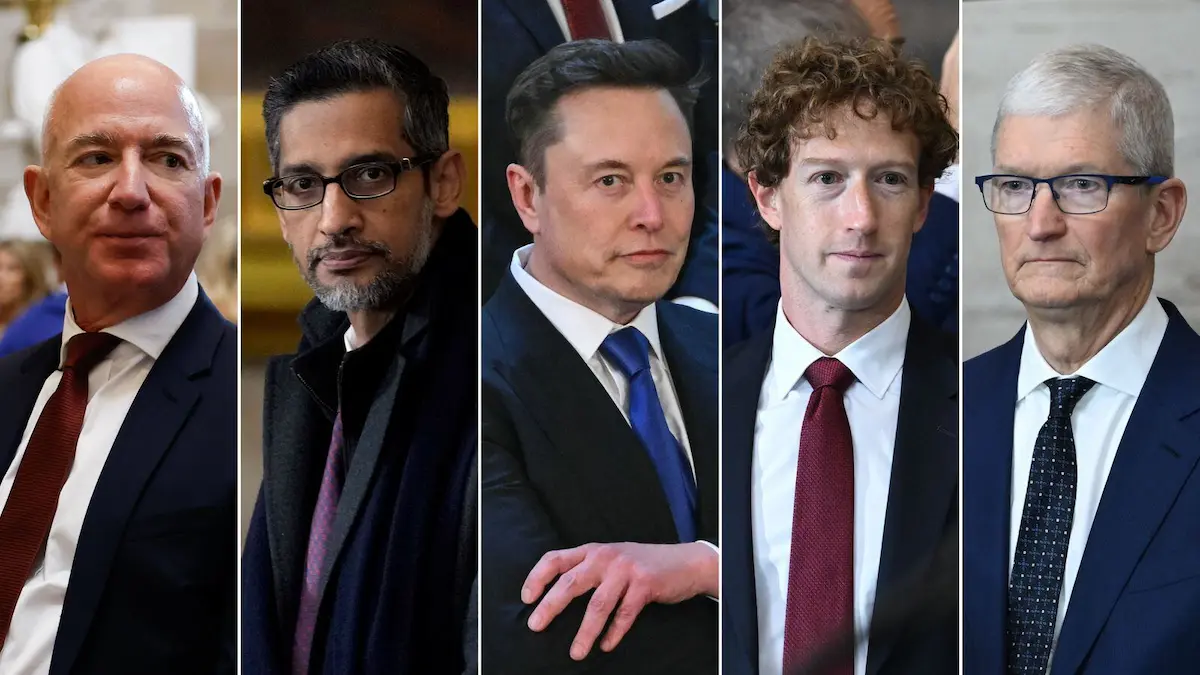
When we talk about top tech leaders, we’re referring to the visionaries who aren’t just running companies—they’re shaping the way we interact with technology, influence economies, and envision the future. These leaders have a unique combination of innovation, strategic thinking, and resilience that allows them to turn ideas into global movements. Understanding these leaders helps us learn what drives technological progress and how innovation transforms our daily lives.
In this article, we’ll explore some of the most influential tech leaders of our time, what makes them stand out, and the lessons we can learn from them.
1. Elon Musk – The Visionary Disruptor
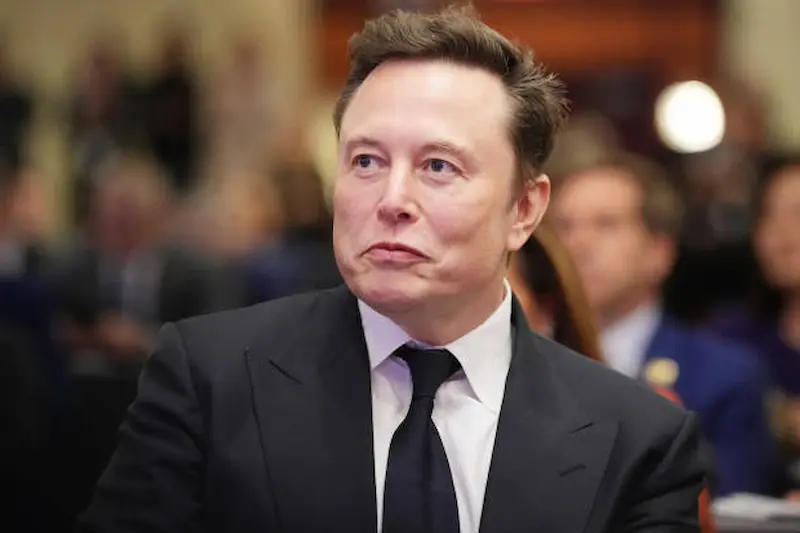
Elon Musk is arguably one of the most high-profile tech leaders today. From electric cars at Tesla to commercial space exploration at SpaceX, Musk consistently challenges the status quo. His ventures aren’t just about making money—they’re about solving some of humanity’s most critical problems, including sustainable energy, interplanetary travel, and artificial intelligence.
What sets Musk apart is his risk-taking ability. He invested personal funds into ventures like SpaceX when the odds of success were extremely low. His leadership style is demanding, visionary, and sometimes controversial, but it’s undeniably effective at pushing the boundaries of technology.
Key Takeaway: Bold vision combined with calculated risk-taking can redefine industries.
2. Satya Nadella – Transforming Microsoft
Since becoming CEO of Microsoft in 2014, Satya Nadella has led a remarkable turnaround. He shifted Microsoft’s focus toward cloud computing, AI, and enterprise solutions. Under his leadership, Microsoft Azure became a major competitor to Amazon’s AWS, and Microsoft embraced openness, collaborating with competitors and open-source communities.
Nadella emphasizes empathy, collaboration, and continuous learning—a departure from Microsoft’s historically competitive culture. This focus on organizational culture has contributed heavily to Microsoft’s growth and innovation.
Key Takeaway: Empathy and culture-driven leadership can drive both innovation and long-term success.
3. Sundar Pichai – Leading Google’s Innovation
Sundar Pichai, CEO of Alphabet and Google, has guided one of the world’s most influential tech companies through periods of rapid change. From AI development with Google Brain to advancements in cloud services and Android, Pichai ensures Google stays at the forefront of technology.
Pichai is known for his calm and analytical leadership style. He often focuses on making Google’s innovations accessible, ethical, and scalable. During his tenure, he has balanced innovation with responsible AI deployment, a major challenge in today’s tech landscape.
Key Takeaway: Thoughtful, ethical leadership ensures sustainable innovation.
4. Tim Cook – Sustaining Apple’s Legacy
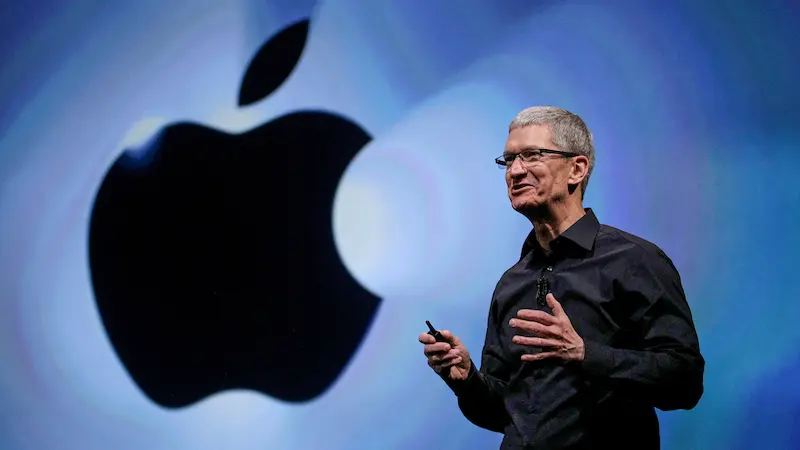
Taking over Apple after Steve Jobs was no small feat, but Tim Cook has successfully maintained Apple’s position as a global tech giant. His approach emphasizes operational excellence, sustainability, and accessibility. Under his leadership, Apple has expanded into services like Apple Music, Apple TV+, and iCloud, diversifying its revenue streams.
Cook’s steady leadership demonstrates that sustaining innovation is as important as creating it. By focusing on supply chain optimization, privacy, and environmental responsibility, Cook has shown that tech leaders must balance creativity with accountability.
Key Takeaway: Operational excellence and ethical responsibility are critical to long-term leadership success.
5. Jeff Bezos – Pioneering E-Commerce and Cloud Computing
Jeff Bezos, founder of Amazon, transformed the world of e-commerce. What began as an online bookstore evolved into one of the world’s most influential tech companies, offering cloud computing (AWS), AI (Alexa), and logistics technology. Bezos’ relentless focus on customer satisfaction and innovation set Amazon apart from competitors.
Bezos emphasizes long-term thinking. Many of Amazon’s most successful initiatives, including AWS and Prime, were developed years before profitability. His approach shows that visionary leadership often requires patience and persistence.
Key Takeaway: Customer obsession and long-term strategy can create industry-defining businesses.
You may also like to read this:
Latest Startup Updates You Should Know About Right Now
Latest Tech Startup News – Breakthroughs And Startup Trends
Emerging Startup News: Latest Updates & Trends
Startup Funding News 2025: Latest Investments & Trends
New Startups 2026: Top Trends And Opportunities
6. Sheryl Sandberg – Scaling Social Media
Sheryl Sandberg, former COO of Facebook (Meta), played a pivotal role in scaling one of the largest social media platforms in history. She introduced strategic advertising solutions, revenue models, and operational processes that turned Facebook into a profitable company.
Sandberg is also an advocate for women in leadership and has influenced corporate culture through her book, Lean In. Her work demonstrates that tech leadership is not just about technology—it’s also about culture, strategy, and inclusivity.
Key Takeaway: Leadership in tech combines strategic innovation with cultural influence.
7. Ginni Rometty – Driving Enterprise Innovation
As the former CEO of IBM, Ginni Rometty transformed the company’s focus toward cloud computing, AI, and advanced analytics. She led IBM through strategic acquisitions and initiatives like IBM Watson, highlighting the potential of AI in solving complex enterprise problems.
Rometty’s leadership emphasizes adaptability, innovation, and navigating large organizational changes—a key skill for leaders in established companies facing technological disruption.
Key Takeaway: Leading legacy companies requires vision, innovation, and adaptability.
Why Studying Top Tech Leaders Matters
Studying top tech leaders provides insights into what drives innovation, influence, and organizational success. These leaders show us that:
- Vision is everything – The ability to see opportunities before others is a common trait among tech leaders.
- Adaptability matters – Technology evolves rapidly; leaders must be flexible and open to change.
- Culture and empathy are crucial – People follow leaders who inspire, collaborate, and create positive work environments.
- Risk-taking drives progress – Many breakthroughs happen when leaders take calculated risks that others shy away from.
Whether you’re an aspiring entrepreneur, student, or simply tech-curious, understanding these leaders can provide lessons that go far beyond technology—they teach us about leadership, innovation, and resilience.
FAQs About Top Tech Leaders
Q1: Who is currently the most influential tech leader?
Q2: What qualities define a top tech leader?
Q3: Can anyone become a tech leader?
Q4: Are tech leaders only found in big companies?
Q5: How can I learn from top tech leaders?
Conclusion
The world of technology thrives on innovation, and it’s the top tech leaders who guide that innovation forward. From AI and cloud computing to e-commerce and space exploration, these leaders shape the future we live in.
By studying their strategies, leadership styles, and decisions, anyone can gain insights into creating impactful solutions, leading teams, and embracing the challenges of the digital age.
